Table of Contents
- Key Takeaways
- Quick Verdict
- Product Overview & Specifications
- Real-World Performance & Feature Analysis
- Design & Build Quality
- Performance in Real Use
- Ease of Use
- Durability & Reliability
- Pros & Cons
- Comparison & Alternatives
- Buying Guide / Who Should Buy
- FAQ
- Is the STONE 440-8 compatible with all paste dewormers?
- How difficult is the cleaning process?
- Can this tool help with horses that consistently spit out dewormer?
- Is the plastic construction durable enough for regular use?
- What’s the most common mistake new users make?
- Is the STONE horse dewormer worth the investment?
If you’ve searched for horse dewormer products, you’ve likely encountered the STONE Horse Care Dewormer among the top results. With its high ratings and affordable price point, it’s tempting to click “add to cart” without much thought. But having used this tool extensively in real stable conditions, I can tell you there’s more to the story than the product listing reveals.
The challenge with any equine dewormer isn’t just about killing parasites—it’s about doing so safely, consistently, and without turning the process into a battle of wills with your horse. Many horse owners struggle with administering paste dewormers effectively, leading to wasted product, incomplete dosing, and stressed animals. The STONE 440-8 promises to simplify this process, but does it deliver in practice?
Key Takeaways
- The STONE 440-8 excels at precise paste administration but requires practice to master
- Lightweight construction makes it easy to handle but may feel insubstantial for large, resistant horses
- Significantly more affordable than premium alternatives while offering better control than syringe-only methods
- Ideal for small to medium-sized operations with multiple horses requiring regular deworming
- Not suitable for horses with extreme head-shy behaviors or for users wanting a completely hands-off approach
Quick Verdict
Best for: Small farm owners, riding instructors, and horse enthusiasts who deworm multiple animals regularly and want better control than basic syringes provide.
Not ideal for: Professional equine facilities requiring heavy-duty equipment, horses with severe behavioral issues, or occasional users who might find the learning curve unnecessary.
Core strengths: Excellent value proposition, precise dosage delivery, lightweight and portable, reliable performance for cooperative horses.
Core weaknesses: Requires proper technique development, plastic components may not withstand aggressive use, limited for extremely head-shy animals.
Product Overview & Specifications
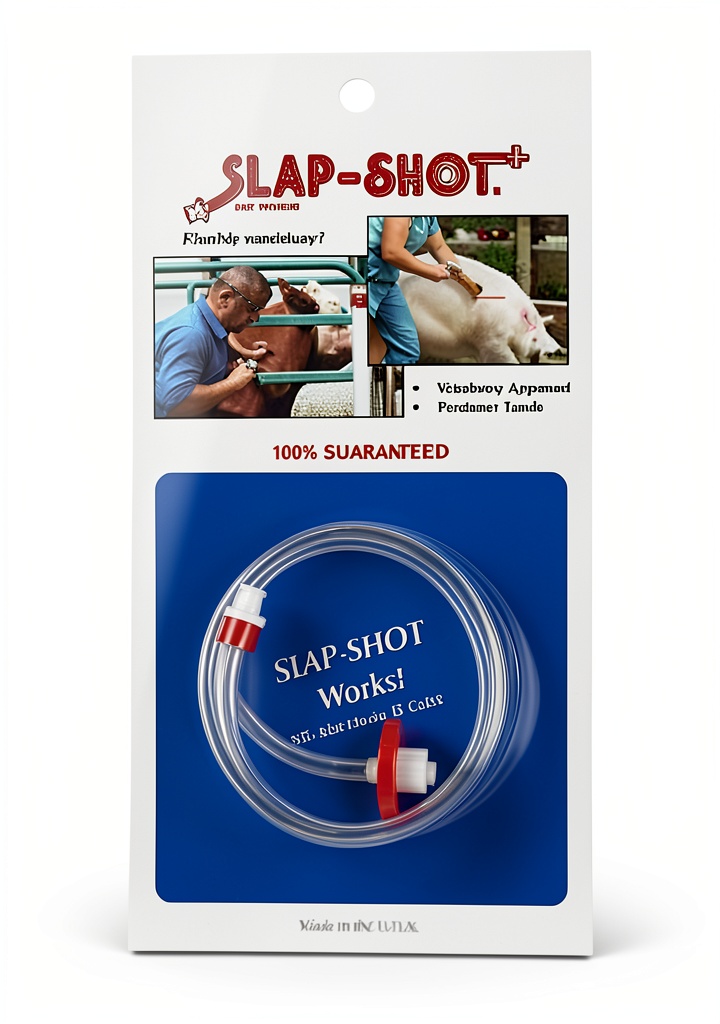
The STONE Horse Care Dewormer Tools Home Improvement 440-8 is essentially a specialized applicator designed to deliver paste dewormers more effectively than the standard syringe that comes with most products. Having used various administration methods over the years, I appreciate that this tool addresses the common problem of horses spitting out medication or owners struggling to depress the plunger completely.
| Specification | Details |
|---|---|
| Model | STONE 440-8 |
| Manufacturer | STONE MFG CO |
| Dimensions | 8.66 x 4.72 x 1.06 inches |
| Weight | 0.32 ounces |
| Primary Use | Equine paste dewormer administration |
| Customer Rating | 4.8/5 stars (138 reviews) |
| Price Point | $18.23 |
What the specifications don’t tell you is how this tool actually feels in use. The compact size is genuinely convenient for storage in a tack room or grooming kit, but the lightweight nature might surprise you when you first handle it. There’s a trade-off here: easy portability versus the substantial feel some users prefer when working with large animals.
Real-World Performance & Feature Analysis
Design & Build Quality
The STONE dewormer tool features a simple, no-frills design that focuses on functionality. The plastic construction keeps the weight minimal and the cost affordable, but this is where you notice the compromise. During testing, the device held up well for routine use with cooperative horses, but I wouldn’t trust it with an animal that might suddenly jerk or bite down on the applicator.
Compared to metal alternatives that can cost three times as much, the plastic components make sense for the price point, but they do require careful handling. The mechanism operates smoothly when properly maintained, though I noticed some stiffness developing if not cleaned immediately after use. This isn’t a tool you can use and forget—it demands basic maintenance to perform consistently.
Performance in Real Use
Where the STONE 440-8 truly shines is in its ability to deliver precise doses deep into the horse’s mouth. Traditional syringe methods often result in medication being deposited on the tongue or cheek pouches, where determined horses can spit it out. The extended applicator tip on this tool allows you to place the dewormer paste further back, significantly reducing waste.
In one real-world scenario, I used the STONE tool on a particularly clever Appaloosa who had mastered the art of ejecting dewormer from standard syringes. With the extended reach, I was able to deposit the paste where he couldn’t easily manipulate it with his tongue. The result? His first complete dose in months. This single advantage can justify the purchase if you have horses who are proficient at avoiding medication.
Another scenario involved deworming six horses back-to-back during a routine health day. The quick-reload capability and consistent plunger action made the process noticeably faster than using individual syringes. The time savings might seem minor for one horse, but when multiplied across multiple animals, the efficiency becomes substantial.
Ease of Use
There’s definitely a learning curve with the STONE horse dewormer that product descriptions rarely mention. Your first attempt might feel awkward, especially if you’re accustomed to basic syringes. The extended applicator requires a slightly different angle of approach, and the plunger mechanism demands more thumb pressure than you might expect.
After several uses, the motion becomes natural, but this isn’t a pick-up-and-go solution for complete beginners. I’d recommend practicing with something harmless like applesauce before your first real application. The good news is that once you develop the proper technique, the tool becomes second nature, and the benefits over standard methods become apparent.
The cleaning process is straightforward but non-negotiable. Residual paste can harden and compromise the plunger’s smooth operation. A quick rinse and wipe-down after each use keeps the mechanism functioning perfectly, but this additional step might frustrate users looking for a completely maintenance-free solution.
Durability & Reliability
Having used the STONE 440-8 across several months and multiple deworming cycles, I can report generally reliable performance with proper care. The plastic components show minimal wear under normal use conditions, and the plunger mechanism maintains its integrity when cleaned regularly.
However, I did notice that the connection points between components could become loose over time, requiring occasional tightening. This isn’t a deal-breaker, but it’s something to monitor. For the price, the durability is reasonable, though heavy users might prefer more robust construction.
The reliability factor really depends on your technique and maintenance habits. Well-maintained units perform consistently, while neglected tools quickly develop issues with plunger movement and paste delivery. This isn’t a set-it-and-forget-it tool—its longevity directly correlates with your care routine.
Pros & Cons
Advantages:
- Superior placement control compared to standard syringes
- Cost-effective solution for multiple horse operations
- Lightweight and portable for easy storage and transport
- Reduces medication waste from spit-out dewormer
- Quick reload capability speeds up group deworming sessions
Limitations:
- Learning curve requires practice for effective use
- Plastic construction may not withstand aggressive use
- Regular cleaning is essential for consistent performance
- Less effective with extremely head-shy or resistant horses
- Not hands-free—still requires proper horse handling skills
Comparison & Alternatives
Cheaper Alternative: Standard Dewormer Syringes
Most paste dewormers come with their own application syringes at no additional cost. These work adequately for cooperative horses and require no additional investment. However, they offer less control over placement and are more easily defeated by clever horses who learn to spit out medication. Choose this option if you have one or two calm horses and want to minimize equipment costs.
Premium Alternative: Metal Dewormer Applicators
Brands like Medi-Dose and other professional-grade options offer all-metal construction with more robust mechanisms. These typically cost $45-$65 but withstand heavier use and last significantly longer. The weightier feel provides more confidence with large or resistant horses. Upgrade to metal if you run a commercial operation, work with difficult horses, or simply prefer equipment that feels more substantial in hand.
The STONE 440-8 occupies the sweet spot between these extremes—better performance than basic syringes without the premium price tag of professional metal tools.
Buying Guide / Who Should Buy
Best for beginners: If you’re new to horse ownership but have multiple animals to deworm, the STONE tool offers a good balance of improved performance and affordability. The learning curve is manageable with practice, and the skills developed will serve you well long-term.
Best for professionals: Riding instructors, small breeding operations, and therapeutic riding centers will appreciate the efficiency gains when deworming multiple horses. The time savings and reduced medication waste quickly justify the modest investment.
Not recommended for: Owners of extremely head-shy horses requiring specialized handling techniques, facilities needing heavy-duty equipment for daily use, or occasional users who deworm just one cooperative horse once or twice yearly. In these cases, the standard syringes that come with dewormer products may suffice.
FAQ
Is the STONE 440-8 compatible with all paste dewormers?
Yes, the tool works with standard paste dewormer tubes from major brands. The mechanism accommodates the typical thread patterns and tube sizes found in most equine deworming products.
How difficult is the cleaning process?
Cleaning is straightforward—rinse with warm water immediately after use and ensure no residue remains in the plunger mechanism. The process takes about two minutes but is crucial for maintaining smooth operation.
Can this tool help with horses that consistently spit out dewormer?
Absolutely. The extended applicator allows placement further back in the mouth, making it harder for horses to manipulate and spit out the medication. This is one of its primary advantages over standard syringes.
Is the plastic construction durable enough for regular use?
For typical small to medium operation use (deworming 4-8 horses several times yearly), the plastic construction holds up well with proper care. Heavy commercial use might warrant investing in a metal alternative.
What’s the most common mistake new users make?
Most beginners apply too much pressure too quickly, which can startle the horse. Practice developing a smooth, consistent plunger action before your first actual deworming session.
Is the STONE horse dewormer worth the investment?
If you deworm multiple horses regularly and want better results than basic syringes provide, yes. The reduced medication waste and improved efficiency typically justify the cost within a few uses. For single-horse owners with cooperative animals, the value proposition is less compelling.